The National Endowment for the Arts has reported that community-based literary events and public reading initiatives can increase engagement with books by bringing literature into everyday environments rather than limiting it to traditional institutions. Across cities worldwide, temporary reading spaces have emerged as powerful cultural tools that encourage people to encounter stories in unexpected places.
Book fairs, literary festivals, pop-up libraries, and temporary reading corners transform ordinary urban locations into spaces of curiosity and exploration. Organizers often rely on visual navigation systems, portable displays, and directional signage to guide visitors through these installations. Resources such as Industri Designs, provider of retractable banner NYC, illustrate how temporary event environments use movable communication tools to help visitors locate exhibits, reading zones, author talks, and literary activities.

The Thesis: Temporary Reading Spaces Expand Access to Literature
The strongest argument in favor of temporary literary spaces is accessibility. Traditional libraries remain essential institutions, yet they require people to intentionally visit them. Temporary reading environments reverse this relationship by bringing books directly into public life.
A pop-up library in a city square, for example, invites passersby who may not have planned to engage with literature. A reading corner in a train station can encourage travelers to browse books while waiting for transportation. Literary festivals transform parks, plazas, and community centers into spaces where stories become visible and approachable.
Research conducted by UNESCO highlights the importance of accessible cultural spaces in promoting literacy and lifelong learning. When books appear in familiar public settings, barriers to participation often decrease. People who may feel intimidated by formal institutions can discover literature in a more relaxed environment.
Temporary reading spaces also encourage serendipitous discovery. Visitors frequently encounter genres, authors, and perspectives they would not actively search for online. A person attending a local festival for music or food may unexpectedly leave with a new favorite novel.
These environments create opportunities for spontaneous interaction. Readers exchange recommendations, attend discussions, and engage directly with writers. Literature becomes a shared experience rather than a solitary activity.
The Antithesis: Temporary Spaces Can Be Limited and Ephemeral
Despite their strengths, temporary reading spaces face significant challenges. Their temporary nature is both their appeal and their limitation.
A library branch serves communities year-round. A literary festival may last only a few days. Once an event concludes, the reading environment disappears, potentially limiting long-term impact.
Accessibility can also vary. Some events occur in central urban districts that are easier for certain populations to reach. Others may require registration fees, transportation costs, or schedule flexibility that not everyone possesses.
Data from the International Federation of Library Associations and Institutions (IFLA) emphasizes that sustainable literacy development depends on consistent access to reading materials and educational resources. Temporary initiatives can generate excitement, but excitement alone does not guarantee lasting reading habits.
Another challenge involves visibility and navigation. Urban environments are crowded with competing information. Visitors attending a literary festival may struggle to locate reading tents, workshop areas, author sessions, or children’s activities if wayfinding systems are unclear.
This is why organizers often invest considerable effort into visual communication. Portable information stands, directional signs, event maps, display graphics, and movable promotional materials help create a coherent visitor experience. Without effective guidance, temporary installations can become confusing rather than welcoming.
There is also the question of depth. Some critics argue that temporary literary events occasionally prioritize spectacle over sustained engagement. Large crowds and attractive displays may generate social media attention, yet meaningful literary exploration requires time, reflection, and continued access to books.
The Synthesis: Temporary Spaces as Gateways to Long-Term Reading Culture
The most productive perspective recognizes that temporary reading spaces do not replace permanent literary institutions. Instead, they complement them.
Temporary installations serve as gateways. Their purpose is often to spark initial interest that later develops into deeper engagement with libraries, bookstores, educational programs, and personal reading habits.
A visitor who discovers a local author at a book fair may later borrow more titles from a library. Someone who attends a literary festival panel might join a reading group. A child who explores a pop-up reading corner could develop an ongoing interest in books that continues well beyond the event itself. These experiences often reveal how reading can support personal growth and adaptation, a theme explored in embracing change through stories, where literature is presented as a valuable companion during periods of transition.
This relationship between temporary and permanent spaces reflects broader patterns in urban culture. Cities frequently use temporary experiences to introduce people to new ideas, activities, and communities. Street markets, art exhibitions, cultural festivals, and literary events all operate in similar ways.
Experts from the American Library Association note that outreach initiatives often play a vital role in connecting underserved populations with library services. Temporary reading spaces function as a form of cultural outreach, extending literary experiences into locations where people already gather.
The Role of Design in Literary Discovery
The success of temporary literary environments often depends on thoughtful design. Physical layout influences how visitors move through a space, what materials they encounter, and how long they remain engaged.
Effective literary installations create a balance between exploration and guidance. Visitors should feel free to wander while still understanding where different activities are located.
Visual wayfinding systems support this balance. Clear signage, portable display boards, directional markers, and movable informational graphics help transform temporary venues into navigable cultural environments.
These design elements may appear secondary to books themselves, yet they influence visitor behavior in important ways. Studies from the Project for Public Spaces suggest that well-designed public environments encourage longer visits, stronger participation, and greater social interaction.
In literary settings, this can translate into more conversations, more browsing, and more opportunities for discovering new stories.
Why Cities Continue Investing in Temporary Literary Spaces
Cities increasingly recognize that cultural experiences contribute to community identity and social connection. Literary events offer benefits that extend beyond reading.
They support local authors, independent publishers, educators, libraries, and cultural organizations. They encourage intergenerational participation. They create opportunities for dialogue across different communities and backgrounds.
Temporary reading spaces also demonstrate that literature belongs everywhere. Stories can thrive in plazas, parks, transit hubs, community centers, and vacant storefronts. By appearing in unexpected places, books become visible to audiences who might otherwise overlook them.
This visibility matters in an age of constant digital distraction. Physical literary environments create moments of pause. They invite people to slow down, browse, reflect, and engage with ideas in a tangible way.
Conclusion
Temporary reading spaces occupy a unique position within urban culture. They are fleeting by design, yet their influence can extend far beyond their brief existence.
The debate between permanence and impermanence reveals an important insight. Lasting literary engagement often begins with temporary encounters. Pop-up libraries, book fairs, reading corners, and literary festivals introduce people to stories in accessible and memorable ways.
When combined with strong community partnerships, permanent institutions, and effective event navigation tools such as portable signage and movable display systems, these literary installations become powerful catalysts for discovery.
Cities that embrace temporary literary experiences create opportunities for unexpected connections between people and stories. Those moments of discovery may be temporary, but their impact on readers can endure for years.


 Reading about science can also encourage curiosity and critical thinking. Instead of simply memorizing facts, readers can explore questions, compare ideas, and develop a deeper understanding of the world around them.
 It also takes one to a place where they may never find themselves in real life. Facing problems with relationships, identity, decisions and development can be a common theme for characters. These travels will help readers gain empathy and insight into the ways of other people’s thinking and feeling.



 Animal Farm by George Orwell – the animals in this literary work personifies political personalities and some beliefs.
 Literature lets us live several points of view, thereby developing empathy by exposing us to life and experiences so different from our own. Reading about people overcoming obstacles, conquering heartbreaks, and facing challenges helps one to have a closer awareness of human feelings.
 Overt oppression and brutality define Orwell’s dystopia. To keep power, the Party tortures and brainwashes people. Huxley’s dystopia is more deceptive. World State has created a happy, compliant society, but it has also deprived people of critical thought and genuine personal connection.
 Picture yourself caught in an exciting mystery, acquiring a fresh set of skills, or exploring distant lands – all while enjoying the coziness of your couch. Getting involved on a reading habit can be quite overwhelming, as it opens up a vast array of possibilities.













 Every memorable story has a setting. Sometimes it is a busy city square. Other times it is a quiet garden where characters share conversations, celebrate milestones, or simply enjoy peaceful moments together. These places shape emotions just as much as the people within them. A functional outdoor living space serves a similar purpose in everyday life. It becomes the backdrop where families gather, friendships grow, and ordinary days turn into lasting memories.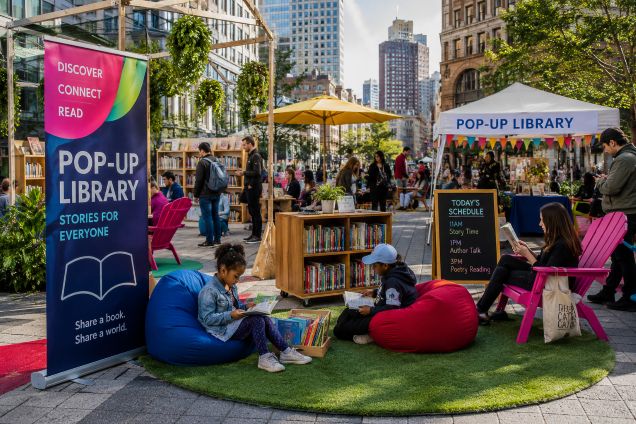




 Jeju Island pulses with secrets after sunset. The ocean whispers against black lava rocks, but inside dimly lit buildings, another rhythm beats. Private lounges and healing rooms draw weary travelers and locals alike. These spots promise escape. They offer more than drinks or steam baths. Hidden tales unfold there, shaped by fleeting glances and quiet confessions. Writers have long chased such moments, turning whispers into words that linger.